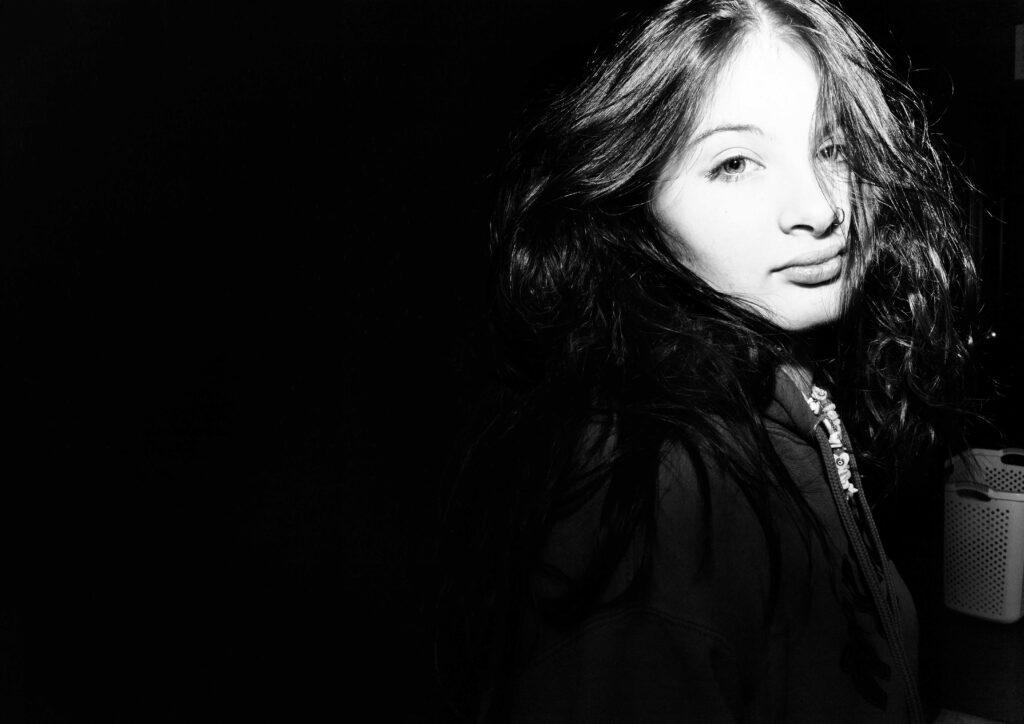
Where the Pressure to Conform Comes From
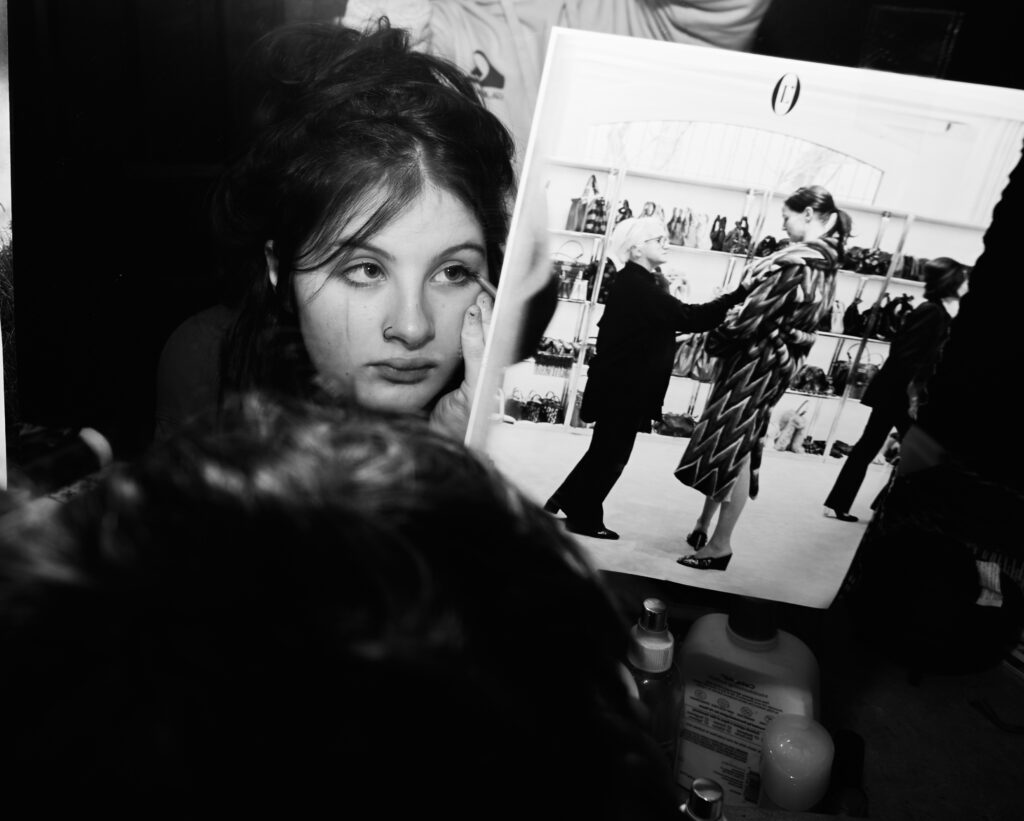
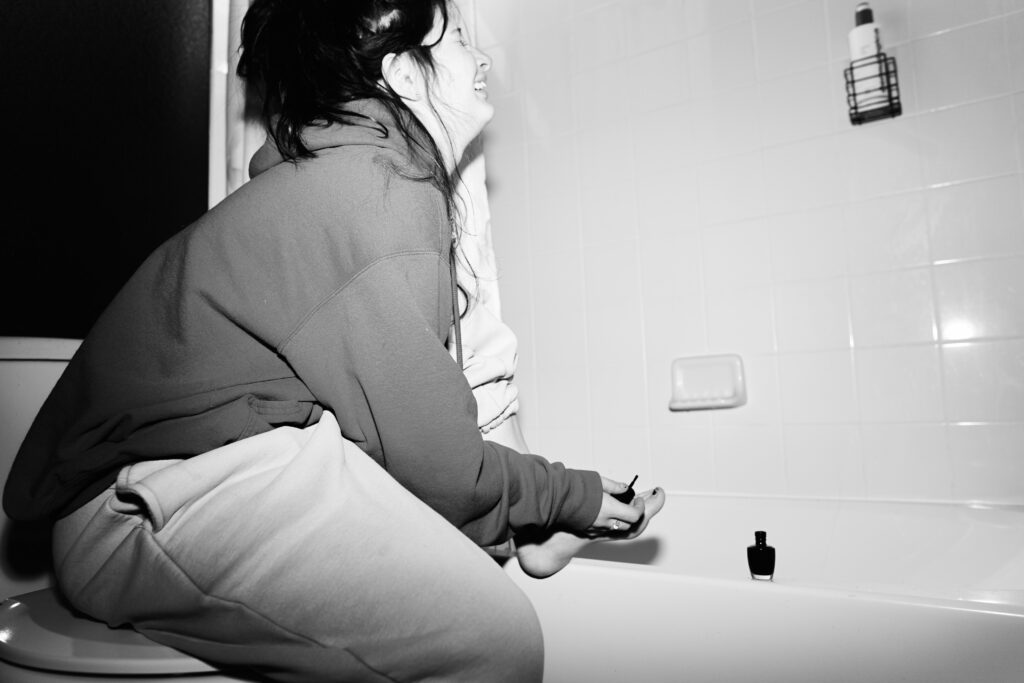
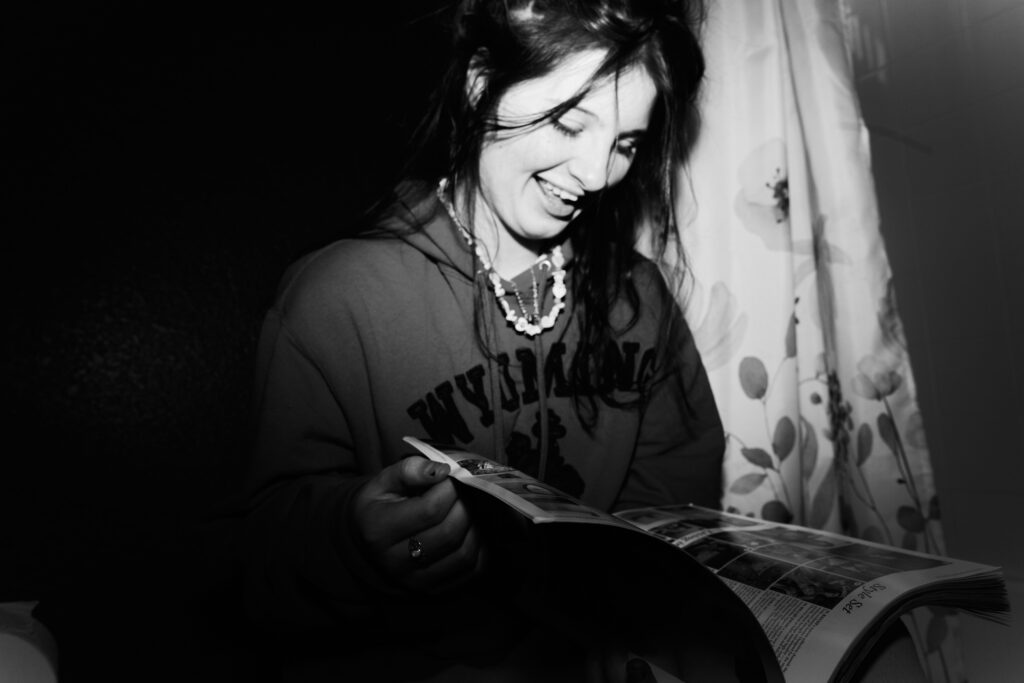
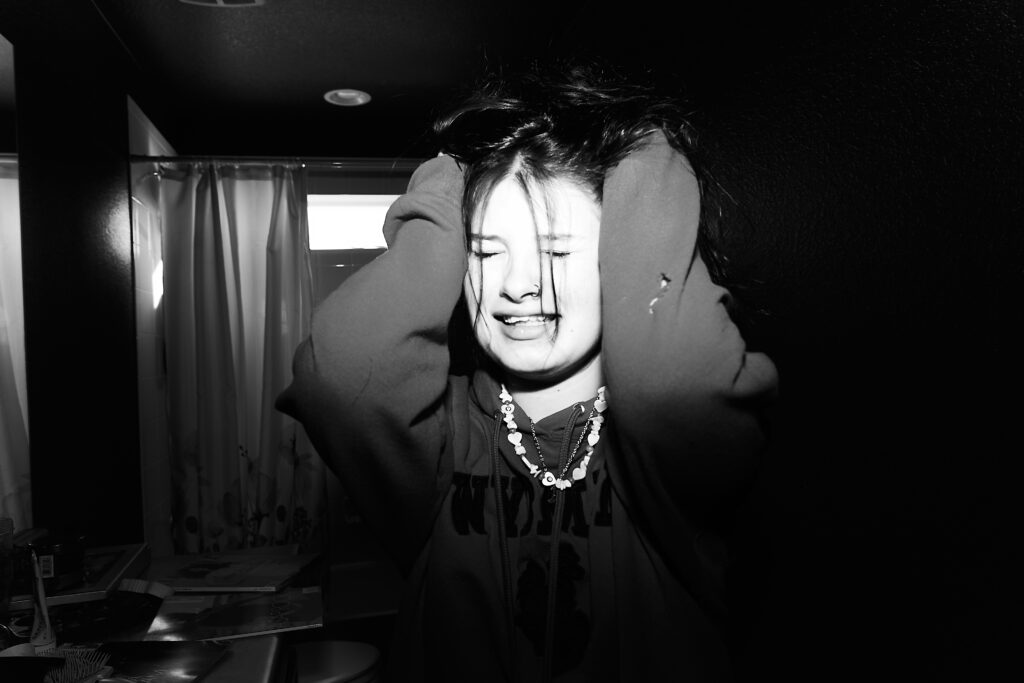
People perform confidence to protect themselves from rejection, but fear the moments when that performance falls apart.
We learn early how to look put together. Confidence becomes something we perform, not something we always feel. What feels risky isn’t imperfection itself — it’s being seen when the polish slips and control disappears.
Where the pressure to conform comes from
The pressure to conform in fashion, beauty, and bodies doesn’t come out of nowhere. Media imagery, cultural values, and commercial systems actively shape it over time.
Advertising and social media repeatedly show narrow, idealized bodies and faces. These images often rely on digital alteration, yet constant exposure makes them feel normal and attainable. Because of that repetition, attractiveness becomes tied to success, worth, and desirability.
As people absorb these messages, they start to internalize them. They compare themselves to what they see. Gradually, the pressure grows to adjust appearance in order to feel accepted, rewarded, or taken seriously.
At the same time, the beauty and fashion industries benefit from this cycle. They define what’s “ideal,” then sell products, trends, or fixes that promise to close the gap.
How conformity shows up
This pressure follows a familiar pattern. Standards repeat. Comparison creeps in. Anxiety builds. People monitor themselves more closely. Eventually, many try to conform — not because they want to, but because conformity feels safer than standing out.
Meanwhile, social media intensifies everything. It creates a nonstop stream of curated images where perfection looks effortless and visibility gets rewarded. As a result, the performance never really turns off.
The modern paradox
Today, the standard isn’t just perfection — it’s effortless perfection.
People are expected to look attractive, confident, successful, and composed without showing the work behind it. Visible effort or struggle often feels embarrassing. In contrast, conformity gets reframed as taste, professionalism, or “natural” beauty.
Because of this, many people hide labor, discomfort, and individuality behind a controlled exterior. The expectation isn’t simply to look perfect — it’s to make perfection look easy.
When this pressure started
This didn’t begin with social media.
In the 1950s, post-war consumer culture pushed beauty into everyday life. Affordable cosmetics, rigid gender roles, and silhouettes like Dior’s New Look reinforced the idea that women should appear polished at all times. Beauty routines demanded structure, time, and discipline.
Back then, the labor was visible. Today, the labor remains — but people are expected to pretend it doesn’t exist.
Concept
This project began with my interest in the word conform.
I’m drawn to the tension between individuality and public approval, and to the gap between lived reality and the illusions people construct to stay comfortable. That curiosity led me to Juergen Teller’s work in fashion and beauty, and eventually to how society continues to reward sameness.
By using hard flash, minimal retouching, awkward poses, and direct eye contact, I strip away the visual cues that usually make images feel safe or polished. Without those protections, the work exposes what people are taught to hide — effort, discomfort, and the performance itself.
In a world where simply existing often feels like it isn’t enough — it is.
Exist for you.